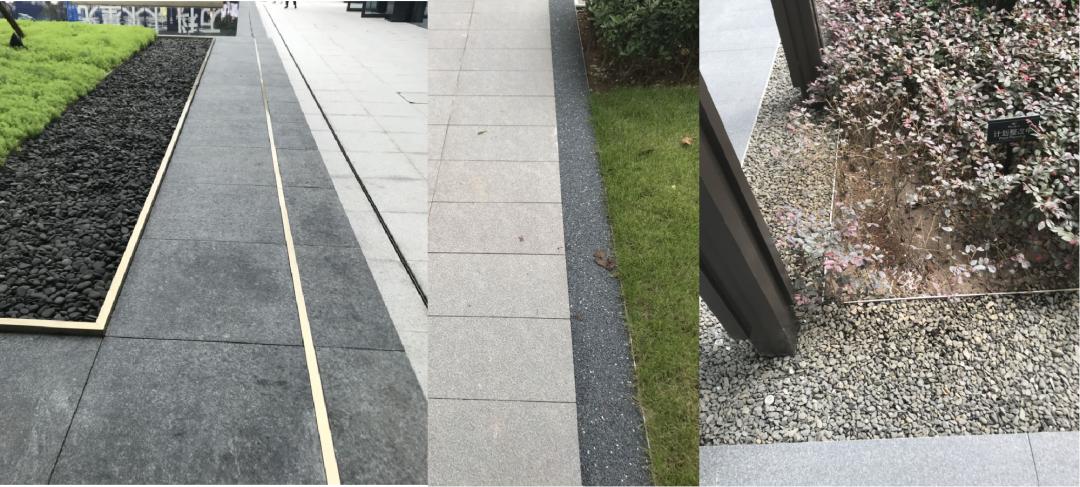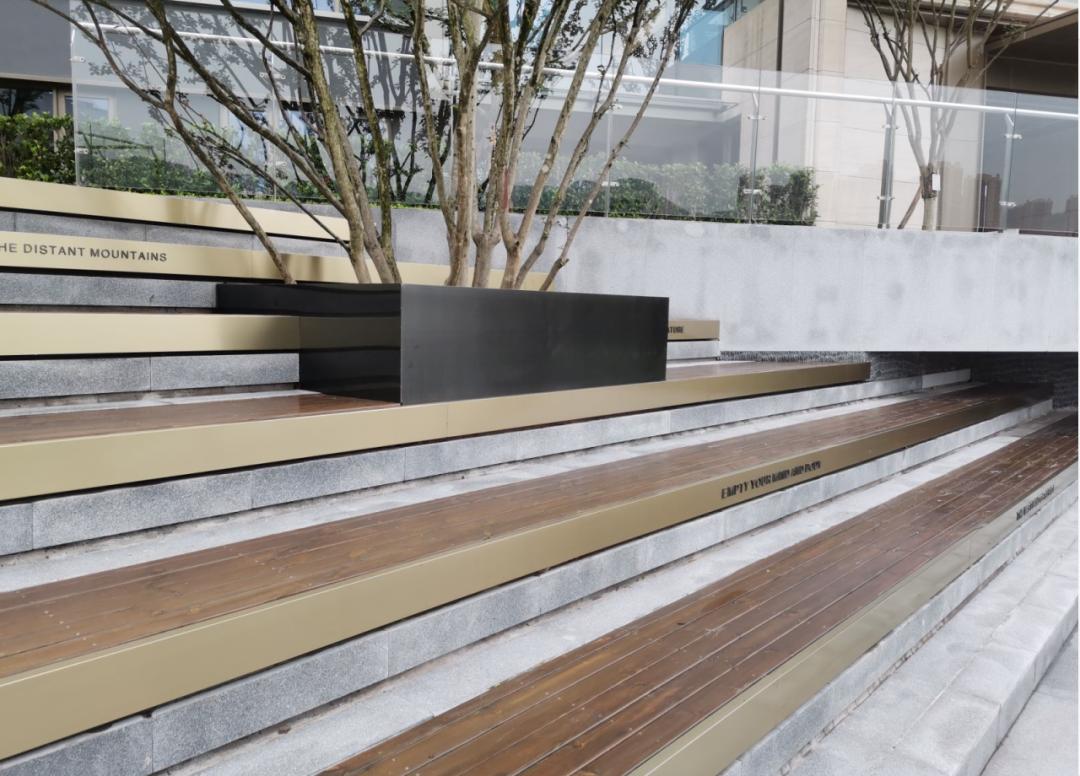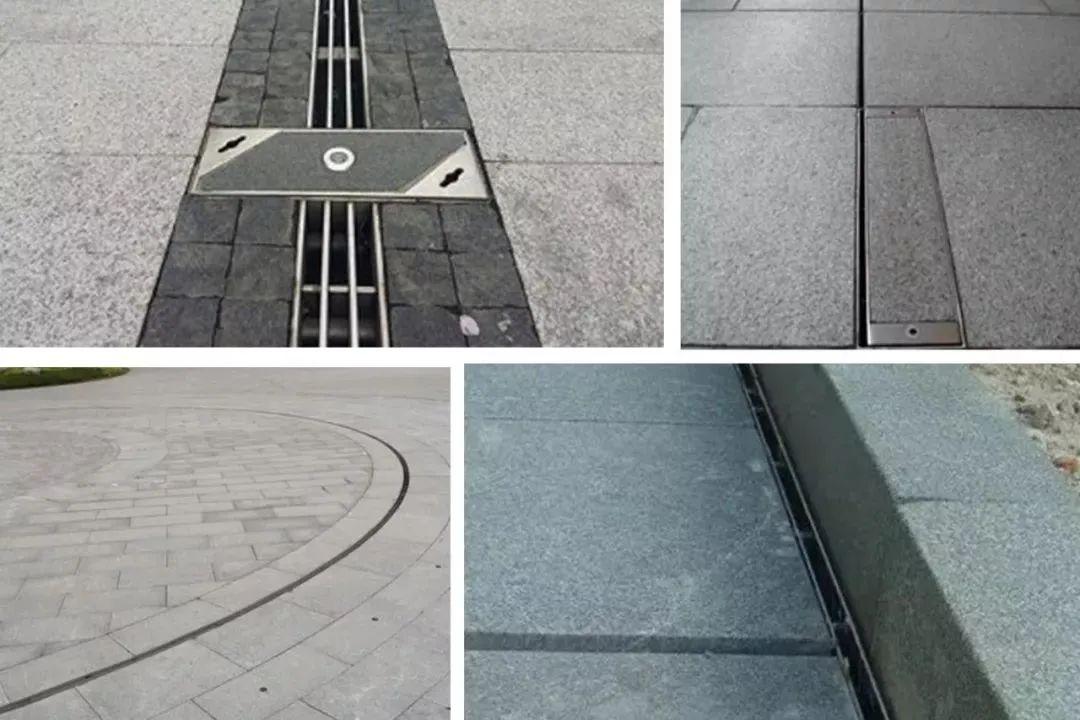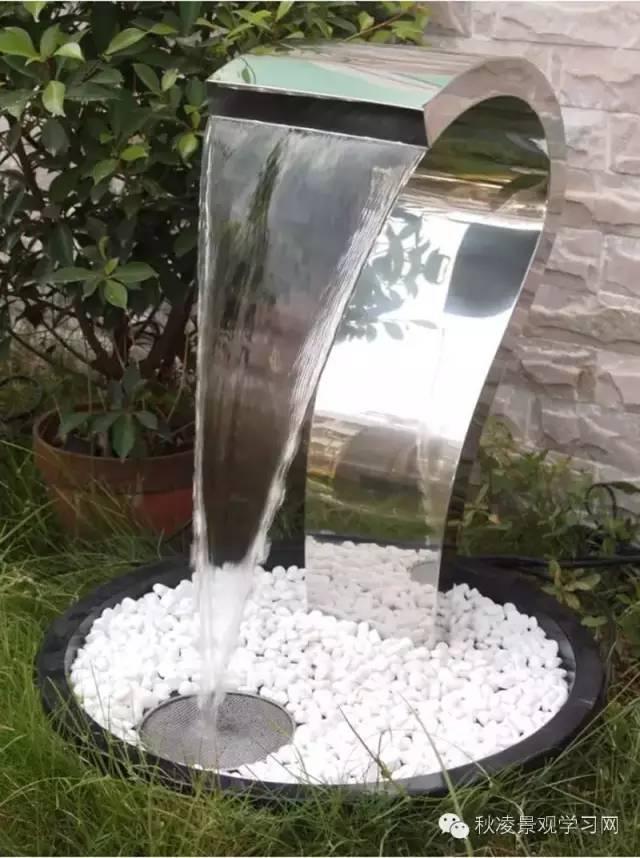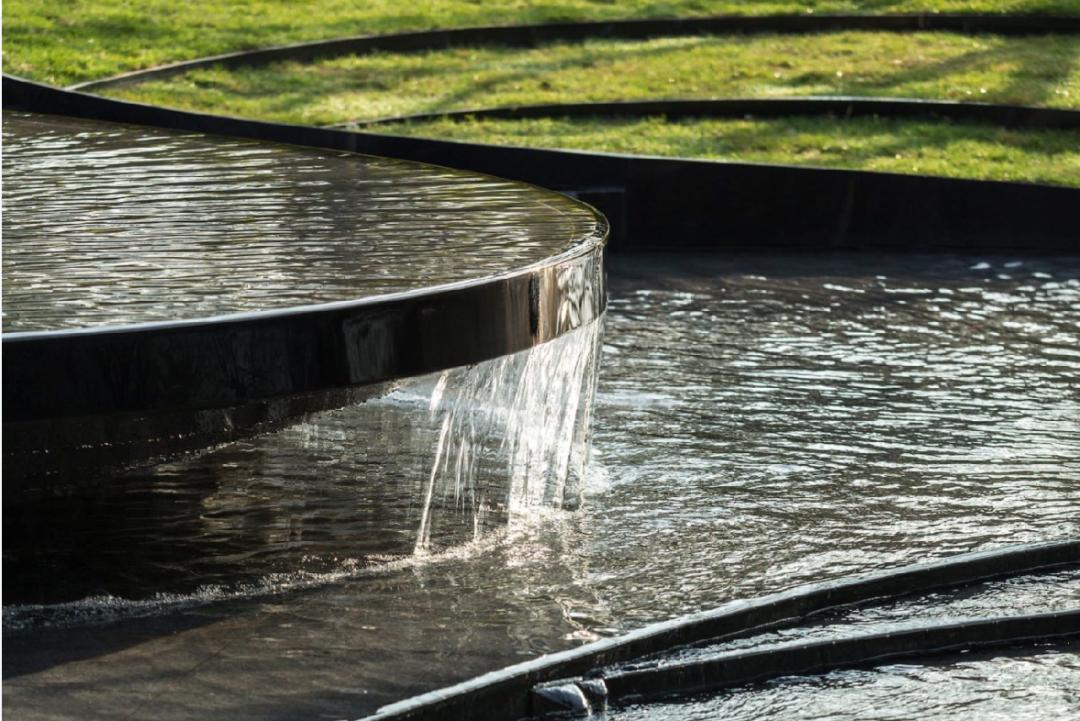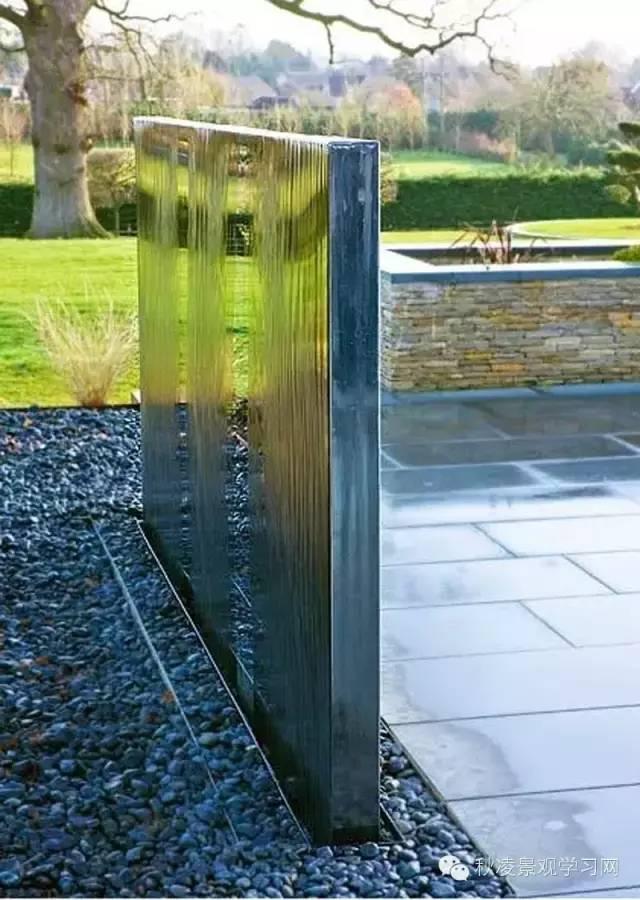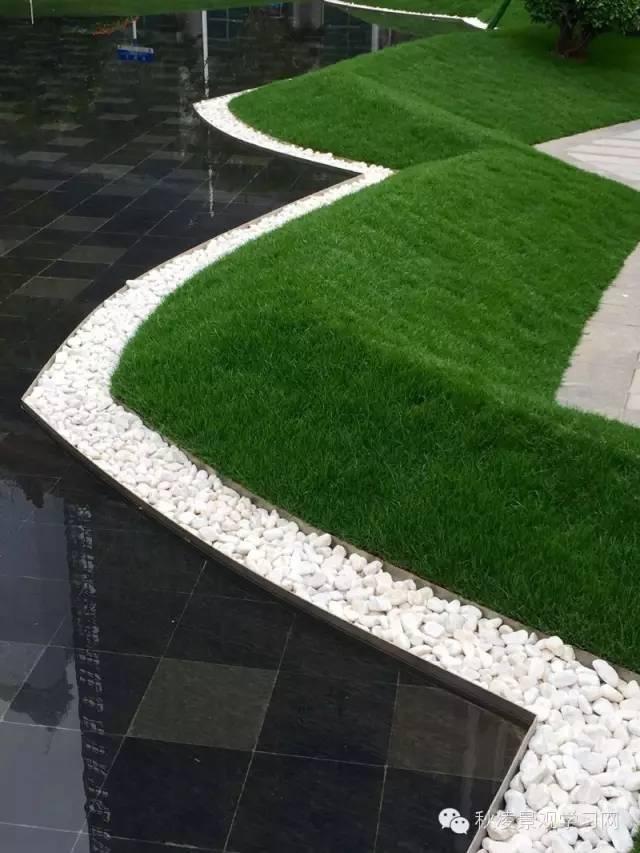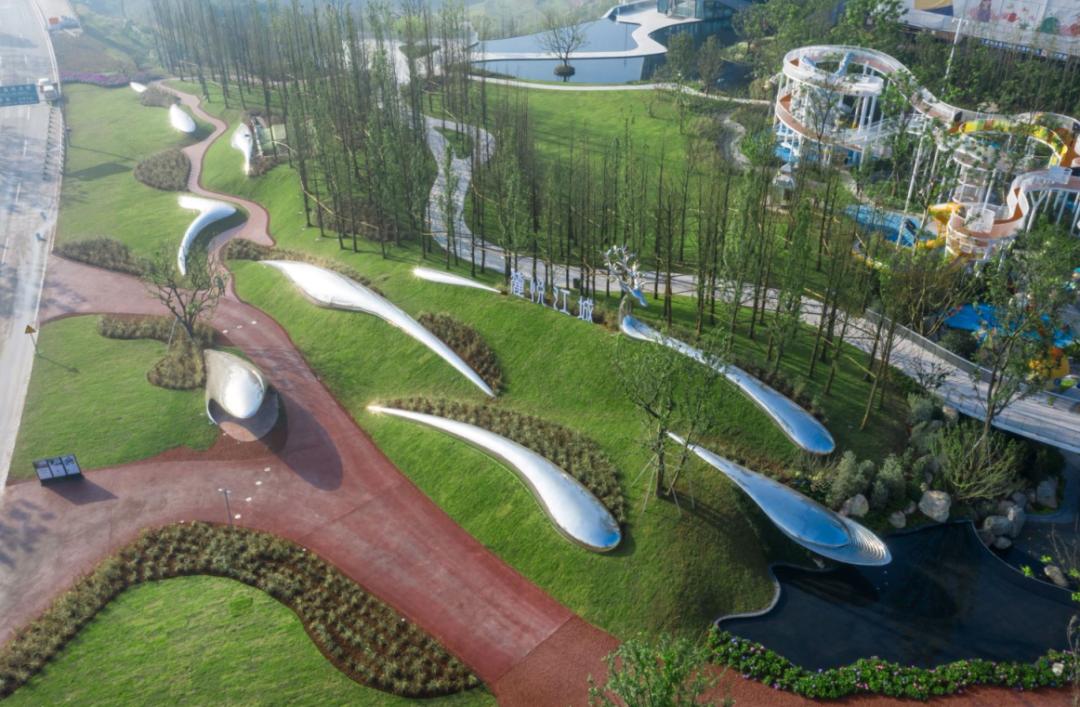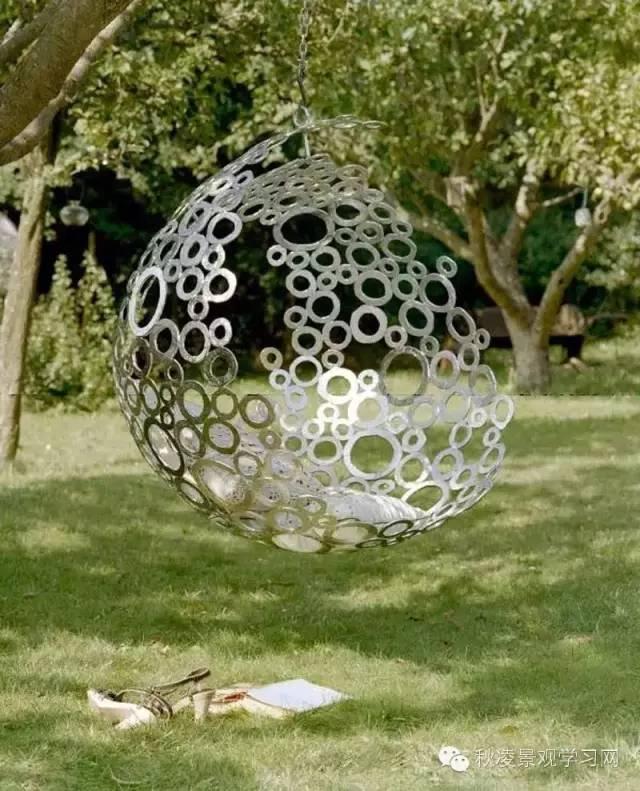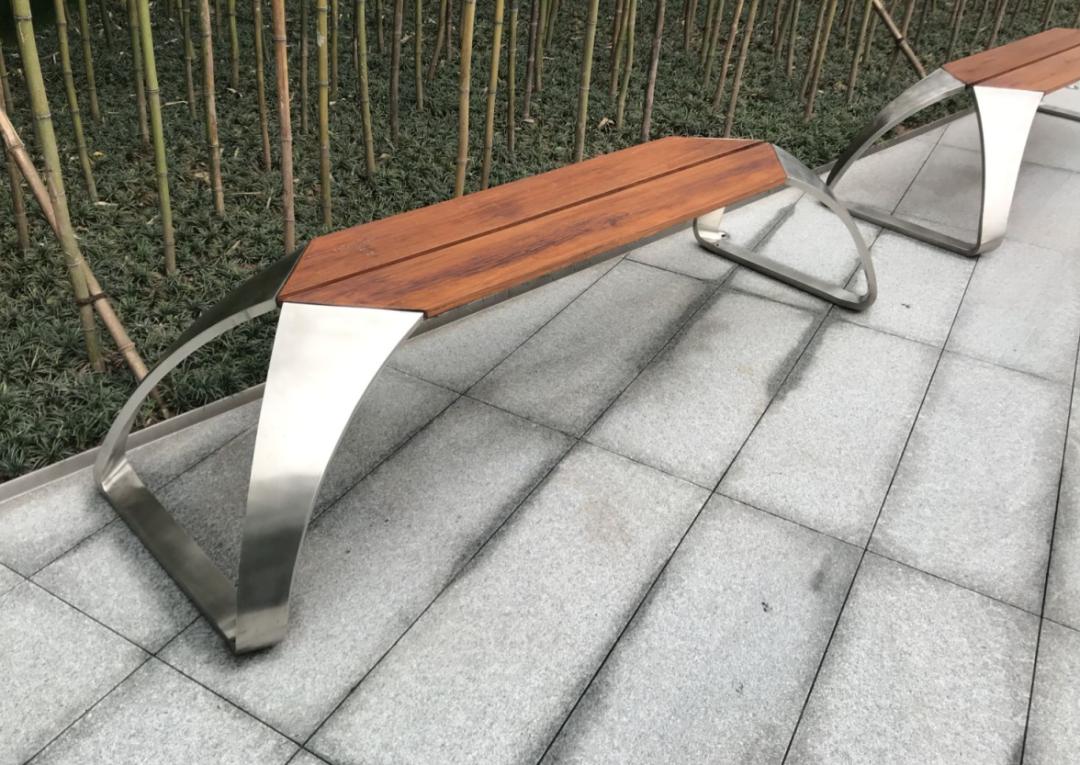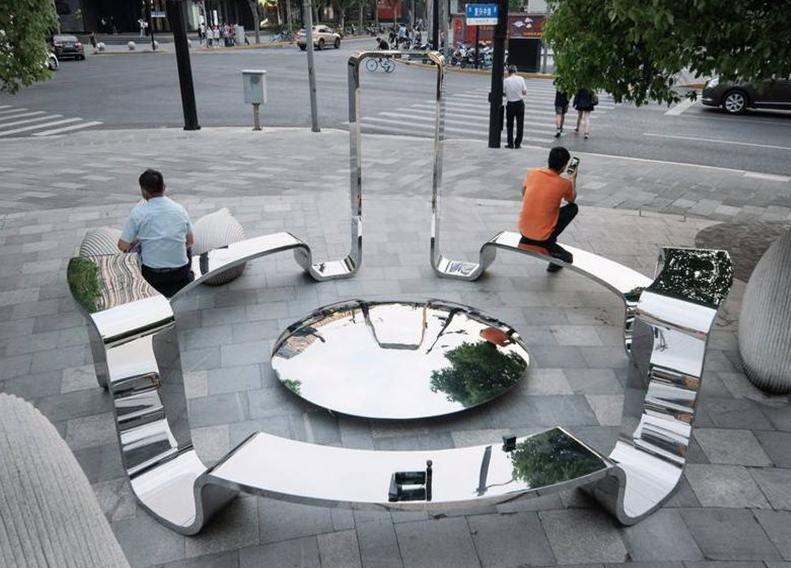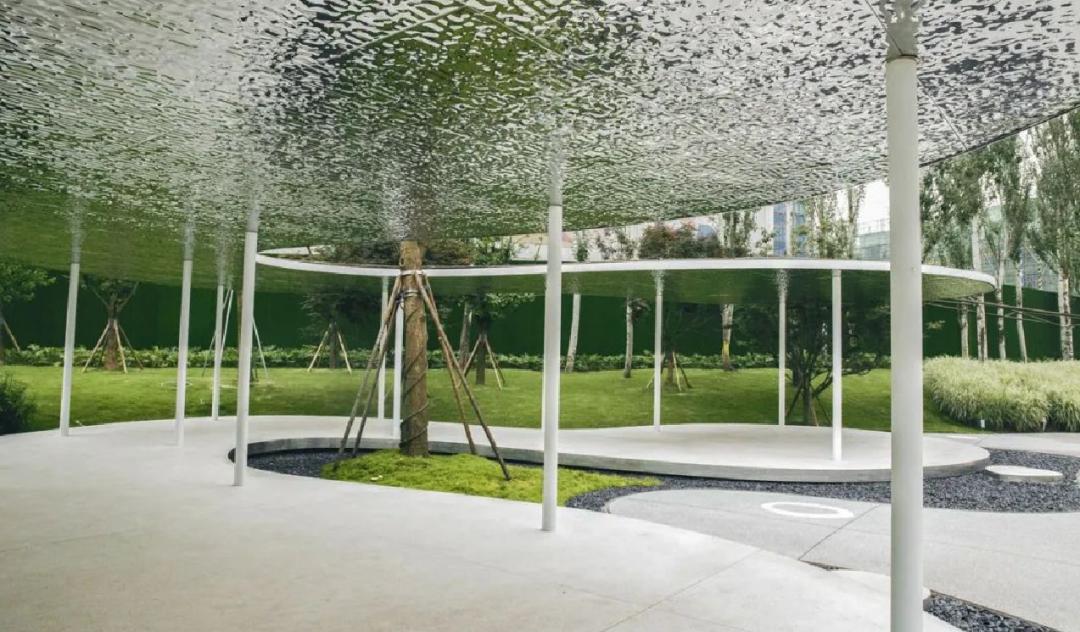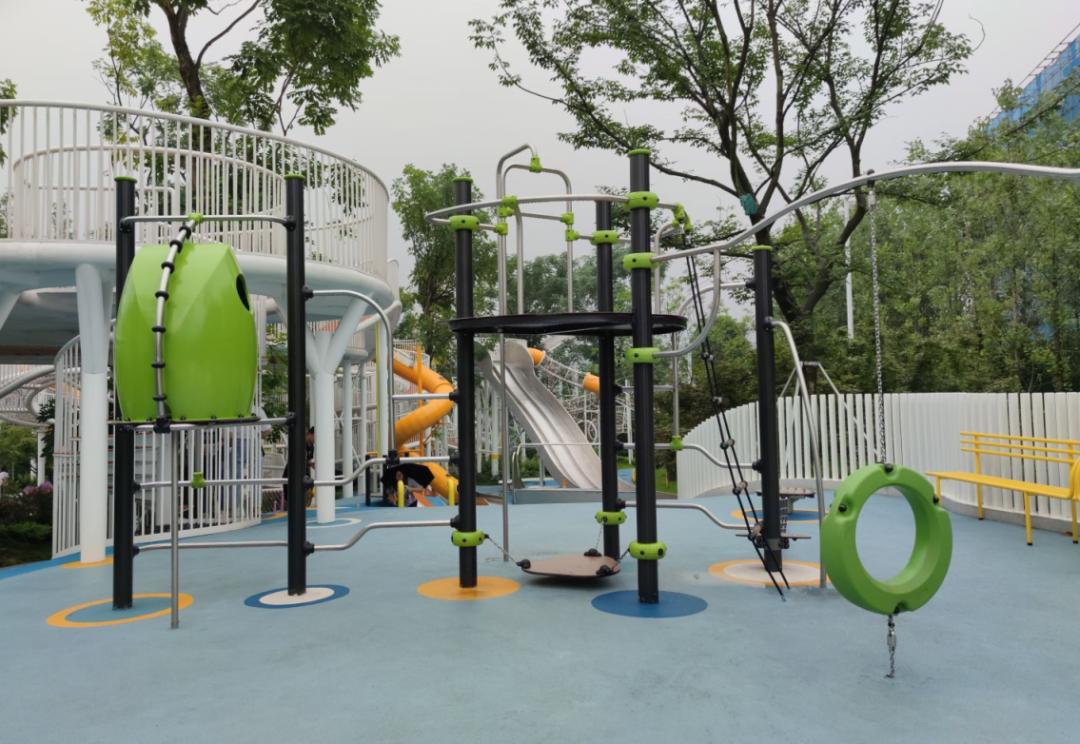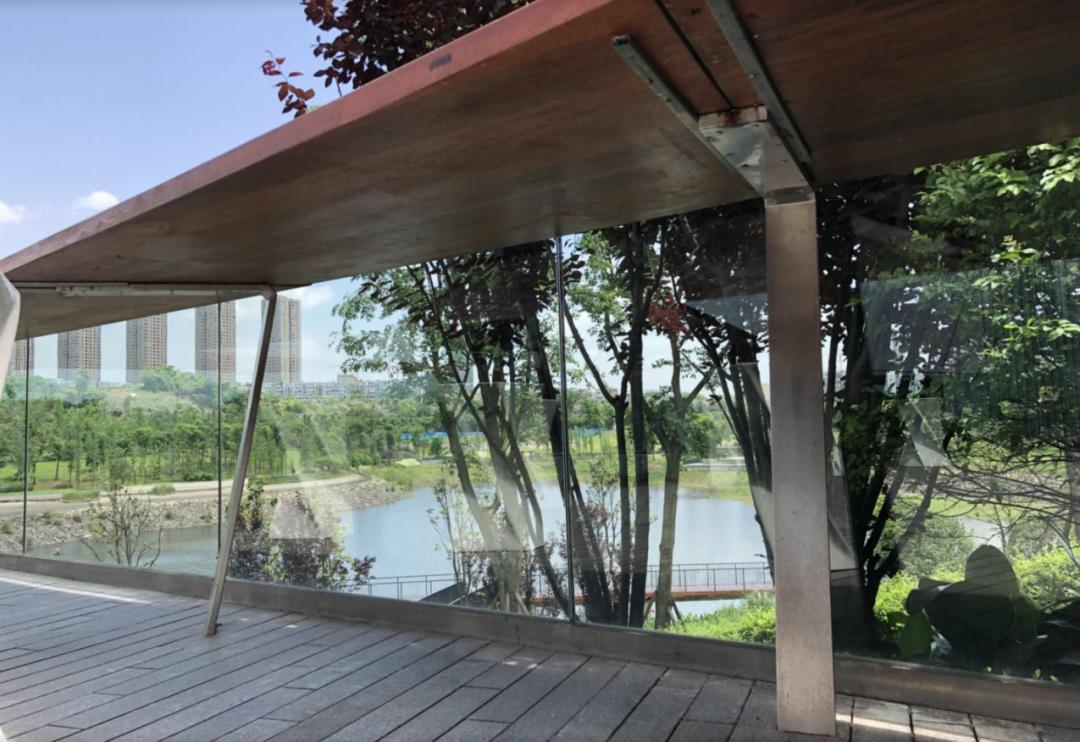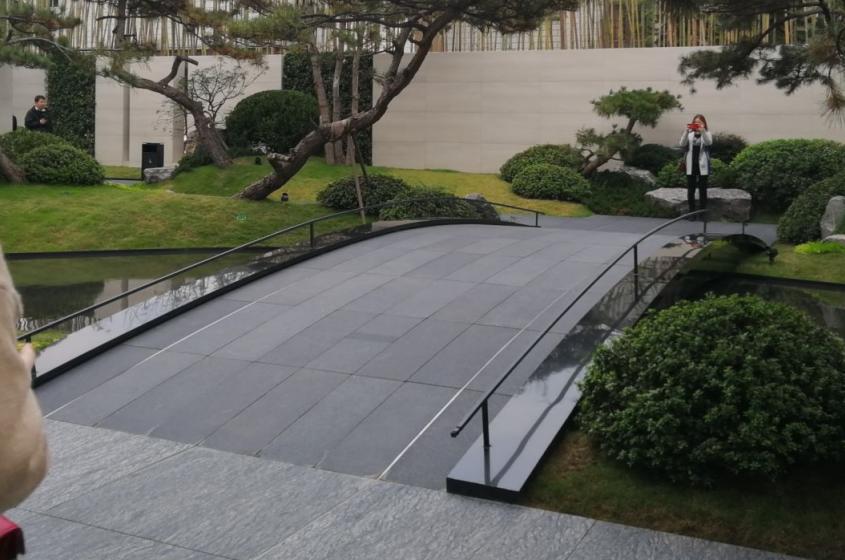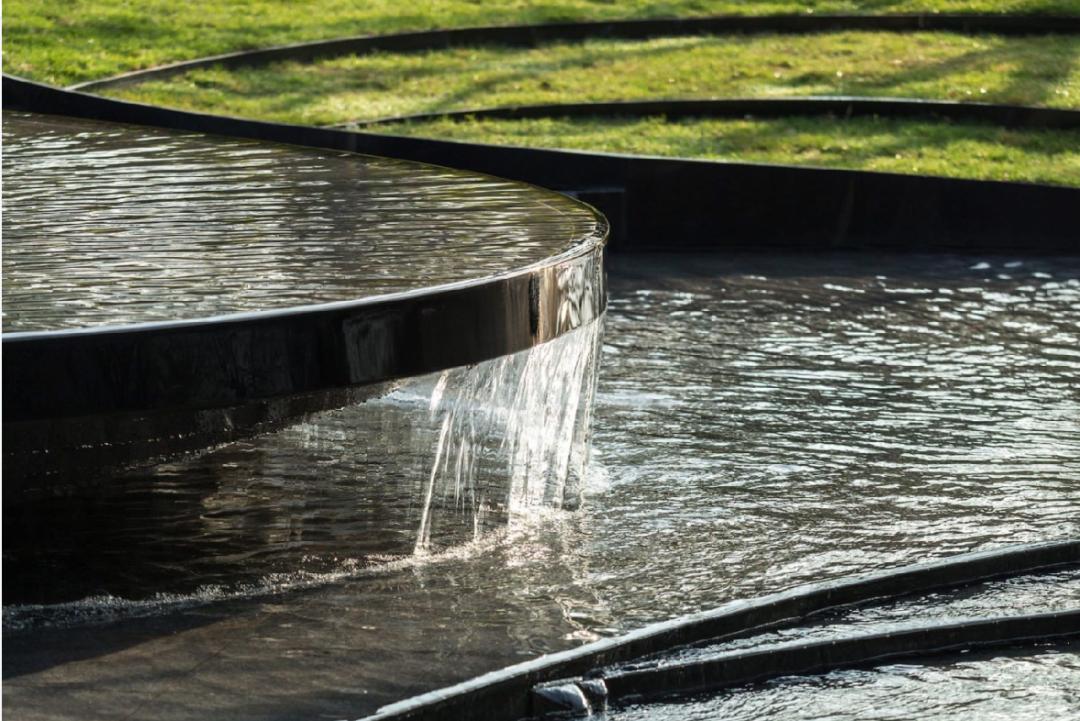
Stainless steel boasts outstanding corrosion resistance, attractive appearance and long service life, making it widely applied in landscape engineering. In recent years, stainless steel has been increasingly adopted in large buildings and street decorations that form the three-dimensional urban space, rendering it an indispensable material for the three-dimensional urban landscape.
Different types, colors and surface finishes of stainless steel can be selected according to various application locations to create diverse decorative effects. Those buildings, structures and art sculptures decorated with stainless steel look extremely elegant and magnificent under bright sunshine.
# I. Properties of Stainless Steel
1. Characteristics:
- Attractive surface with a wide range of application possibilities;
- Excellent corrosion resistance, offering longer service life than ordinary steel;
- High strength, enabling extensive use of thin plates;
- High resistance to high-temperature oxidation and superior strength, providing fire resistance;
- Processable at room temperature for easy forming and shaping;
- No surface treatment required, resulting in convenient operation and simple maintenance;
- Clean surface with high finish;
- Good weldability for easy assembly;
- Fully recyclable, environmentally friendly.
2. Classifications:
- By metallographic structure: martensitic, austenitic, ferritic and duplex stainless steel.
- By main chemical composition: two major categories, namely chromium stainless steel and chromium-nickel stainless steel.
- By application purpose: nitric acid-resistant stainless steel, sulfuric acid-resistant stainless steel, seawater-resistant stainless steel, etc.
- By corrosion resistance type: pitting corrosion resistant stainless steel, stress corrosion resistant stainless steel, intergranular corrosion resistant stainless steel, etc.
- By functional features: non-magnetic stainless steel, free-cutting stainless steel, cryogenic stainless steel, high-strength stainless steel, etc.