The architectural structure of subways is complex. Metro stations and train carriages are semi-enclosed spaces with high pedestrian density and limited evacuation routes. In the event of a fire, severe casualties and property losses will occur. Today, Haohao and Tongtong will guide you to learn fire safety knowledge.
No Electric Vehicles Allowed
Carrying electric vehicles is prohibited, except for electric wheelchairs for personal barrier-free use by passengers. Fires triggered by electric vehicle batteries release intense heat, and toxic fumes may cause secondary injuries. For the safety of yourself and other passengers, do not bring electric bicycles, electric scooters, self-balancing vehicles or other electric mobility devices into the station or trains.
Smoking Strictly Forbidden
Tests show that the surface temperature of a cigarette butt ranges from 200°C to 300°C, with its core temperature reaching 700°C to 800°C, which exceeds the ignition point of most combustible materials. Discarded cigarette butts after smoking can easily ignite surrounding flammables, so smoking is strictly banned in all metro stations and carriages.
No Flammable and Explosive Articles Allowed
When taking the subway, do not carry flammable and explosive items such as firecrackers and balloons, as well as high fire-risk hazardous chemicals including gasoline, alcohol, oilpaper and hydrogen peroxide.
Avoid Using Power Banks During the Ride
Power banks are generally made of lithium batteries. Lithium inside lithium batteries features highly active chemical properties. Short circuits, high temperatures, extrusion, impact or other damages to lithium batteries can easily trigger chemical reactions that generate extreme heat and lead to fires.
What to Do in Case of a Fire
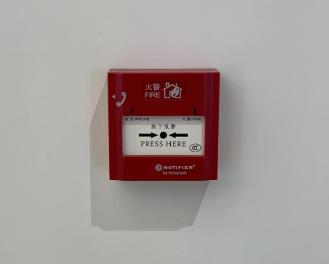
If you spot smoke or fire in a metro station, immediately alert nearby staff and press the fire alarm button. Staff will activate the fire emergency response plan according to on-site conditions to carry out fire suppression, smoke extraction, passenger evacuation guidance and other emergency operations.
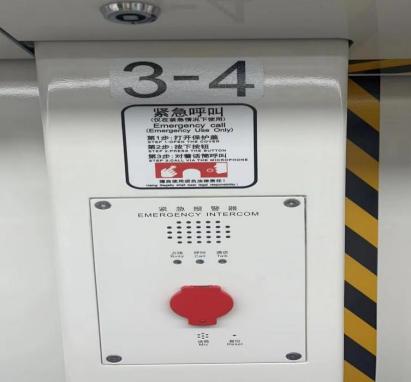
If smoke or fire occurs in a carriage while the train is in motion, you can use the onboard emergency alarm to request assistance from the driver.
When combustible materials are abundant, the fire spreads rapidly. Individuals present should promptly contain the flames, quickly locate a fire extinguisher, and direct it at the source to extinguish the fire.
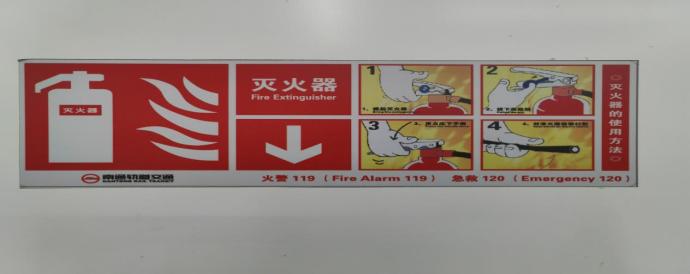
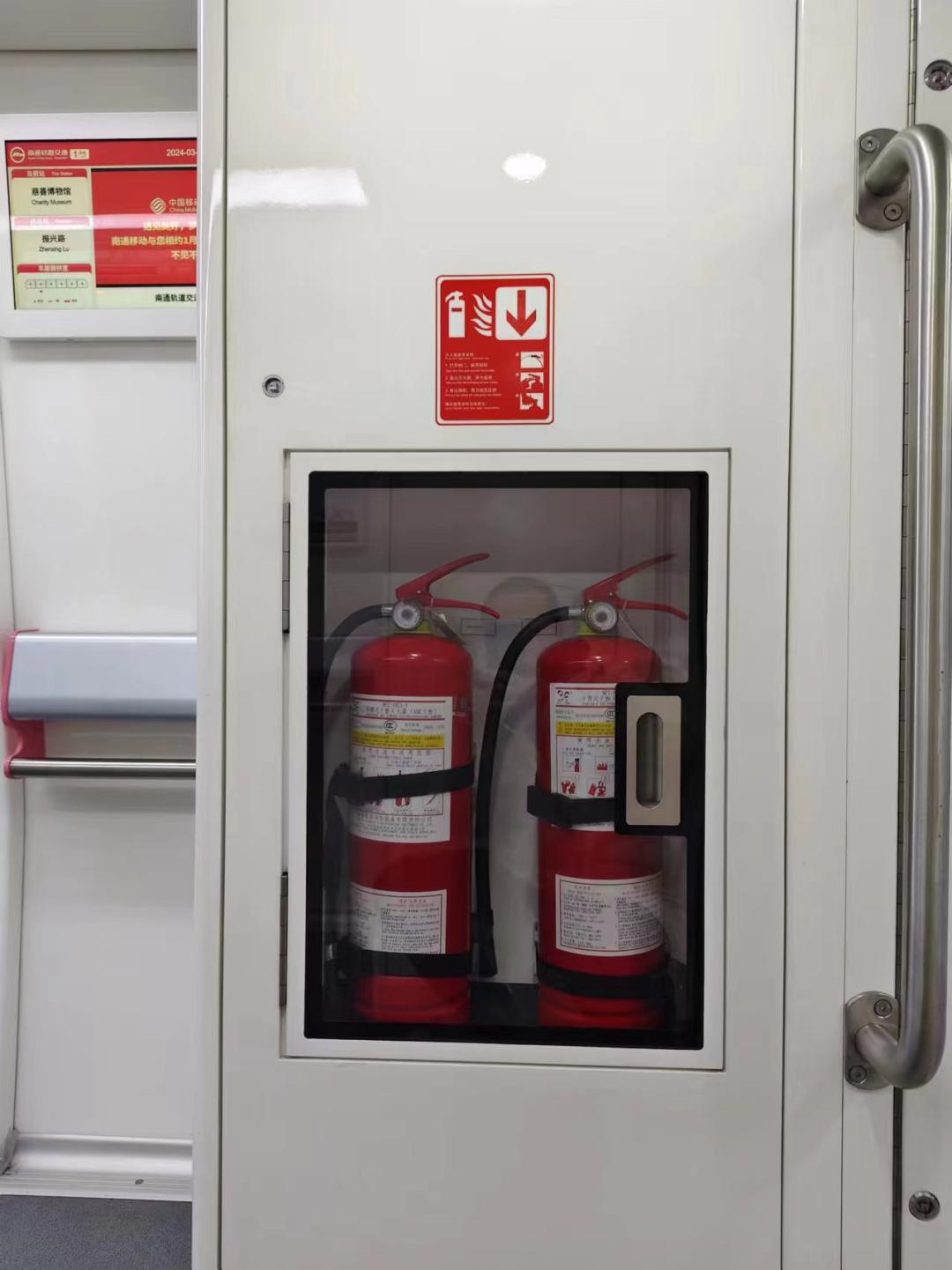
Fire extinguishers are generally stored in wall-mounted fire hydrant cabinets or in fire extinguisher boxes located in public areas; those on trains are placed at the connections between carriages.
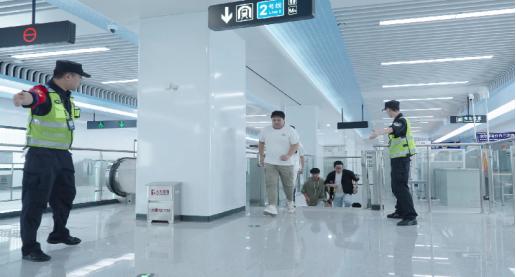
In cases of severe fire or significant smoke accumulation, evacuation must be conducted in an orderly manner. For underground stations, the evacuation sequence is from bottom to top: passengers on the platform should evacuate to the concourse via stairs, while those in the concourse should proceed to the ground level through designated exit passages.
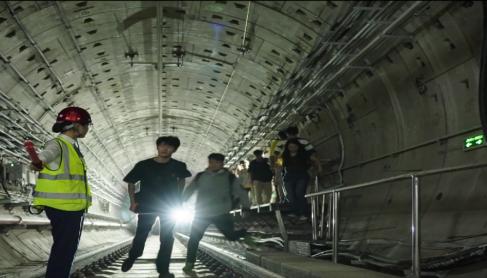
Evacuation platforms are installed within subway tunnel sections, typically running parallel to the track and located near the platform side. In the event of a fire emergency requiring train stops inside the tunnel, passengers can use these platforms to safely evacuate to nearby stations.
(Excerpt from the official website of Nantong Metro)